
Passer aux informations sur le produit


En stock |
DLUO : 30/06/2025


Rhodiola Rhodiolife®
19,95€
Prix promotionnel
19,95€
Prix régulier
Prix unitaire
Soit 1,33€ / dose
La plante pour les sportifs d'endurance.
- Rhodiola breveté Rhodiolife®
- Endurance pour les performances sportives
- Contribue à une activité intellectuelle et cognitive optimale
- Vegan
- Dosage recommandé : 2 gélules par jour
Nm Days : -15% dès 100€ d’achat
Voir conditions de l'offre
Livraison gratuite en point relais dès 60€.
Paiement en plusieurs fois sans frais.
Transparence & Traçabilité.

+ 19 points de fidélité
- Offres exclusives
- Produits offerts
- Événements
Complétez votre panier


4 magnésiums en 1 pour les sportifs et actifs
Complexe Magnésium
19,95€
Prix unitaire
Soit 0,67€ / dose


La plante ayurvédique adaptogène aux différents bienfaits
Ashwagandha Shoden® | 35% de withanolides
19,95€
Prix unitaire
Soit 0,67€ / dose


Ce que le produit fait
Résistance à la fatigue
Fatigue retardée, moins de baisse de régime, meilleure tolérance à l'effort et intensité maintenue sur la durée de l'effort
Santé cognitive et stress
Maintien des fonctions cérébrales, de la mémoire, concentration, humeur et meilleure résistance au stress et à l'anxiété
Focus et motivation à l'entraînement
Concentration, motivation et vigilance pour des entraînements plus efficaces
Performance, énergie et endurance
Maintient l'intensité pendant l'effort, apporte le carburant nécessaire et prolonge la performance physique
Conseils d'utilisation
Focus sur le produit
-
Composition
Ingrédients
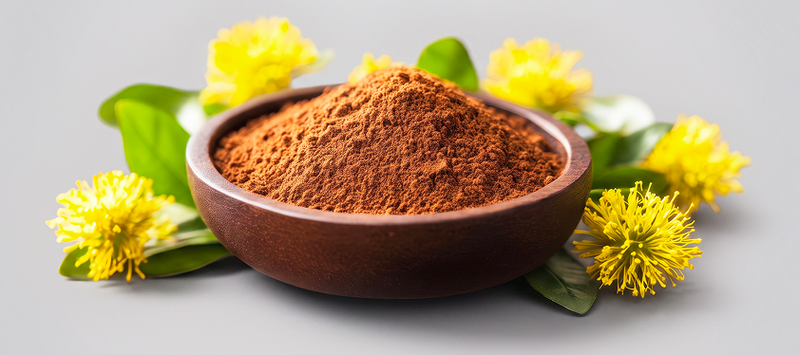
Rhodiola rosea extract (3% total rosavins)
Composition nutritionnelle
Extrait de racine de Rhodiola roseaDont rosavines 1060 mg31,8 mg *Portion recommandée : 2 gélules -
Description
-
Certifications et étiquettes
-
Transparence
Choix Nutrimuscle
Qualité Nutrimuscle
Sources produit
-
Conseils d'utilisation
Utilisation
Questions
-
Avis vérifiés
Besoin d'aide pour choisir ?
Nous vous aidons à trouver les compléments adaptés à vos objectifs.
Produits connexes

Transforme la prise de collagène en résultats concrets
Acides Aminés du Collagène en gélules
16,95€
Prix unitaire
Soit 0,07€ / dose

L'acide aminé idéal en pré-workout !
Arginine (L-Arginine Base)
13,95€
Prix unitaire
Soit 0,70€ / dose
La plante ayurvédique adaptogène aux différents bienfaits
Ashwagandha Shoden® | 35% de withanolides
19,95€
Prix unitaire
Soit 0,67€ / dose

L'astaxanthine de référence sur le marché !
Astaxanthine Astareal® - 6mg
17,95€
Prix unitaire
Soit 0,60€ / dose

Le ratio 4.1.1 idéal pour la construction musculaire et récupération
BCAA 4.1.1 Développement musculaire - poudre
4 saveursDès
19,95€
Prix unitaire
Soit 66,50€ / Kg